Hiththetiya Rajamaha Viharaya

Hiththetiya Rajamaha Viharaya Hiththetiya Rajamaha Viharaya Hiththetiya Rajamaha Viharaya
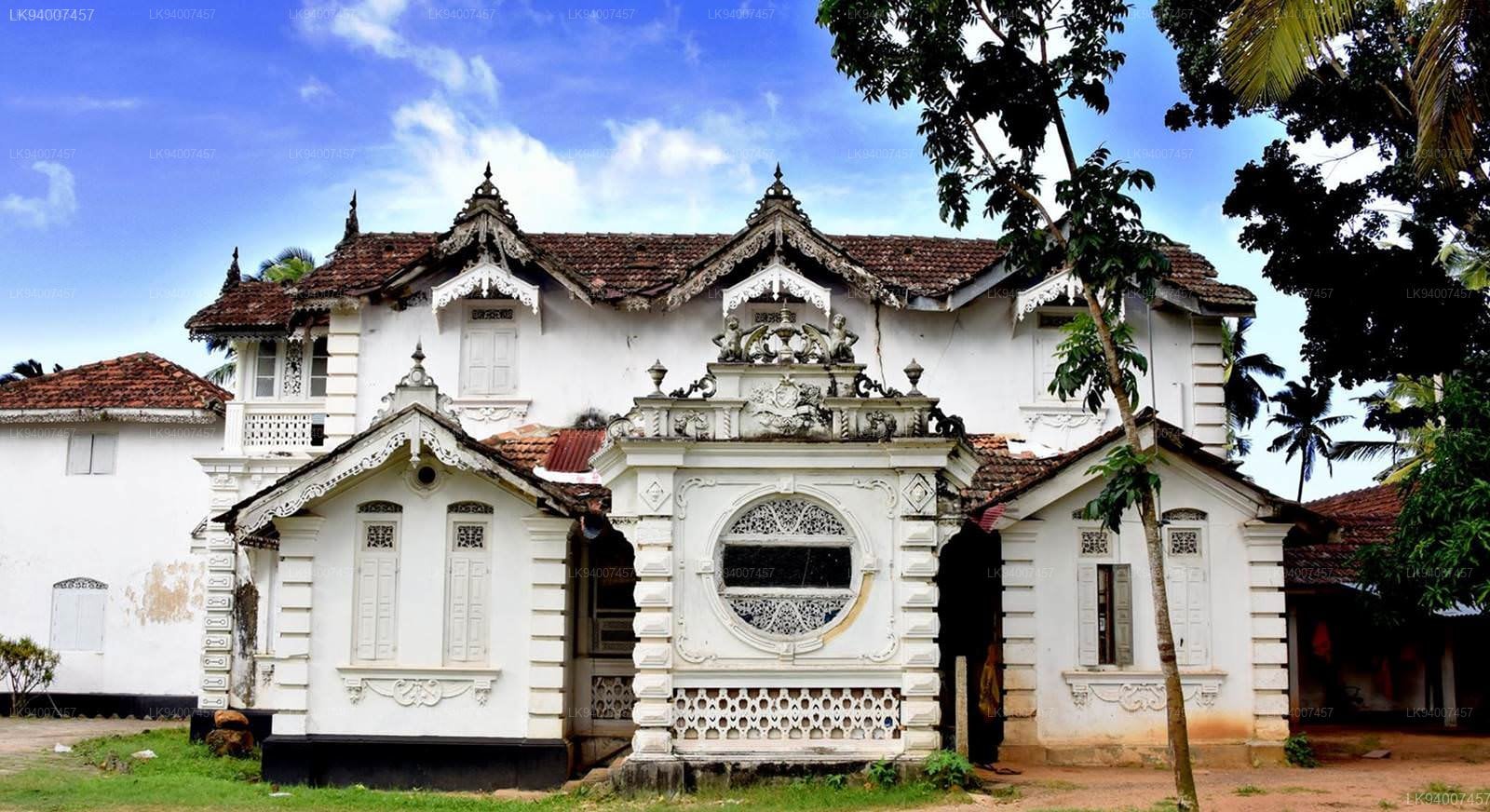
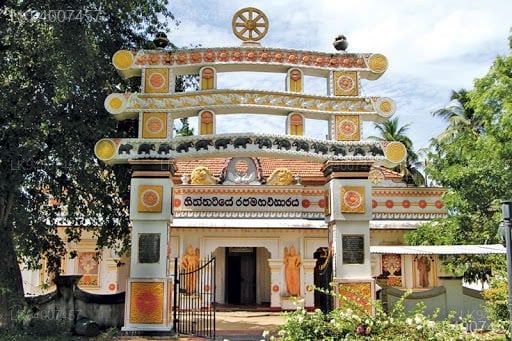
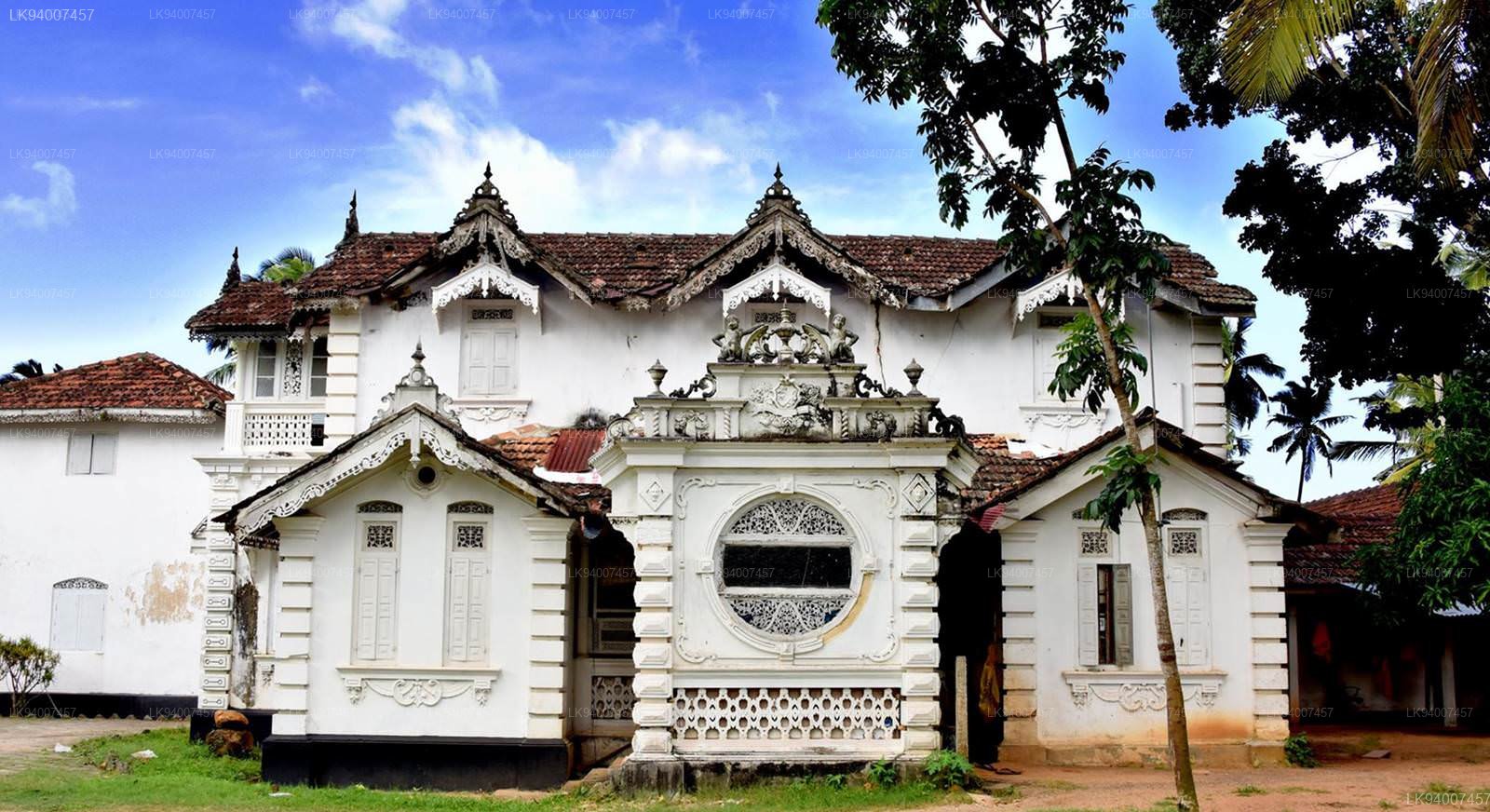
Matara Hiththatiya Rajamaha Viharaya is an ancient Temple lying very close to Matara town. The beginning of the temple is unknown, but the Bo Tree at the temple is believed to be over 1000 years old. This temple has been revived in the 18th century with the resurgence of Buddhist philosophy by Weliwita Sri Saranankara Sangaraja Thero (1698 – 1778). King Kirthi Sri Rajasinhe (1747 – 1781) has also promoted development of this temple and even today, a pair of large elephant tusks donated by the king can be found at the temple. One tusk is 7 feet in length and the other 5 feet.

The seated Buddha statue at the current image house has been salvaged from the Tampita Viharaya. This statue also known as the Sandun Pilimaya or the Sandalwood Statue is thought to be carved out of sandalwood and plastered with lime and then painted. This 3 1/2 feet tall statue with its Siraspatha is thought to be commissioned by either Weliwita Sri Saranankara Sangaraja Thero or by his student Welivitiye Sangarakkitha Thero.

In addition, an 18 riyan reclining Buddha statue flanked by Sariputta and Moggalana Theros can be seen in this image house. The current murals on the inner and outer wall of the image house has been done in 1862. The temple also owns a wooden Pirith Mandapaya built in 1842. The carvings on this structure is considered as an excellent example of the southern art form during the Kandyan era.


Hiththetiya Rajamaha Viharaya Hiththetiya Rajamaha Viharaya Hiththetiya Rajamaha Viharaya
?Text by Lakpura™. Images by Google, copyright(s) reserved by original authors.?

Om Matara-distriktet

Matara-distriktet, beläget i Sri Lankas södra provins, är känt för sin kustnära skönhet, rika historia och blomstrande lokala kultur. Området gränsar till Indiska oceanen och har fantastiska stränder som Polhena och Mirissa, populära för bad och valskådning. Distriktets ekonomi drivs av jordbruk, särskilt kokosnöts- och teodling, samt fiske. Historiska landmärken som Matara Fort och Dondra Head Lighthouse belyser områdets koloniala förflutna. Med sin blandning av naturattraktioner och kulturarv är Matara-distriktet ett fängslande resmål för både lokalbefolkningen och turister.

Om södra provinsen

Sri Lankas södra provins är ett litet geografiskt område som består av distrikten Galle, Matara och Hambantota. Självhushållsjordbruk och fiske är den huvudsakliga inkomstkällan för den stora majoriteten av befolkningen i denna region.

Viktiga landmärken i den södra provinsen inkluderar naturreservaten i Yala och Udawalawe nationalparker, den heliga staden Kataragama och de antika städerna Tissamaharama, Kirinda och Galle. (Även om Galle är en antik stad finns nästan ingenting kvar från tiden före den portugisiska invasionen.) Under den portugisiska perioden fanns det två berömda singalesiska poeter vid namn Andare, som var från Dickwella, och Gajaman Nona, som var från Denipitiya i Matara-distriktet, som komponerade dikter om vanliga människor.